



✨98% Customers Buy 2+
🎉Free Shipping on Orders of 2+ Items 🚚
🛒Add all desired items to cart & checkout at once
Airplane Weathervane – Handcrafted Aviation Legacy for Your Garden & Home! ✈️🌿
From Cockpit to Workshop: A Pilot’s Promise to Preserve Timeless Aviation Legends
![]()
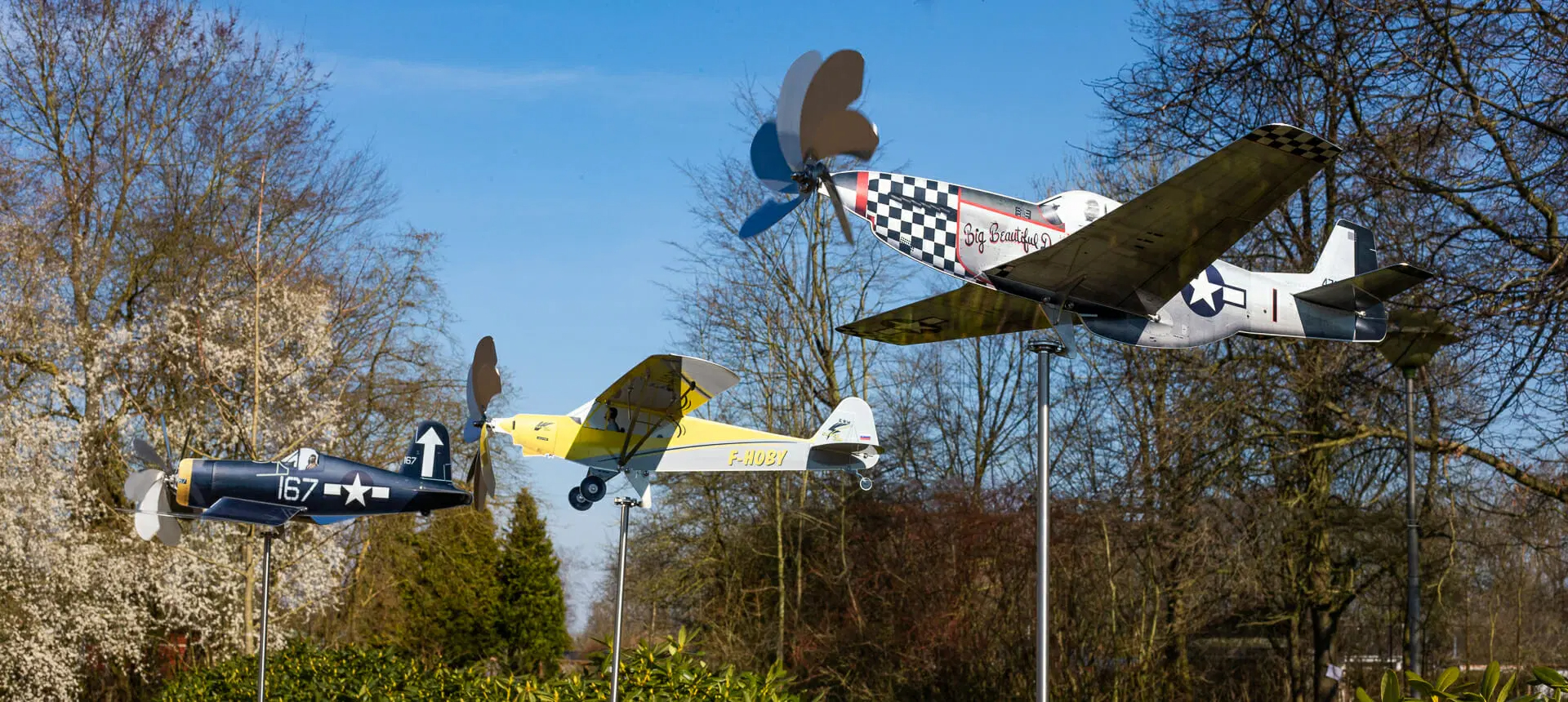
Now, I craft each weathervane as more than simple decor — they are heartfelt tributes to the iconic aircraft that defined aviation history.
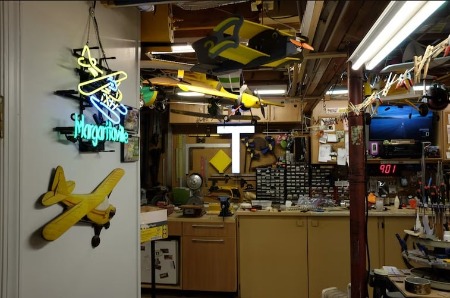
How We Craft Each Weathervane?
We manufacture every piece in our dedicated workshop using precision plasma cutting equipment. After cutting, each aircraft silhouette receives a durable powder-coat finish baked in a specialized curing oven.
Every aircraft silhouette is scaled, cut and welded entirely by hand by myself. No outsourced labour, no rushed shortcuts.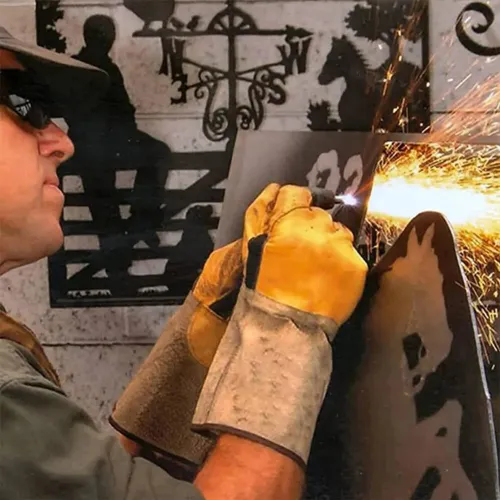
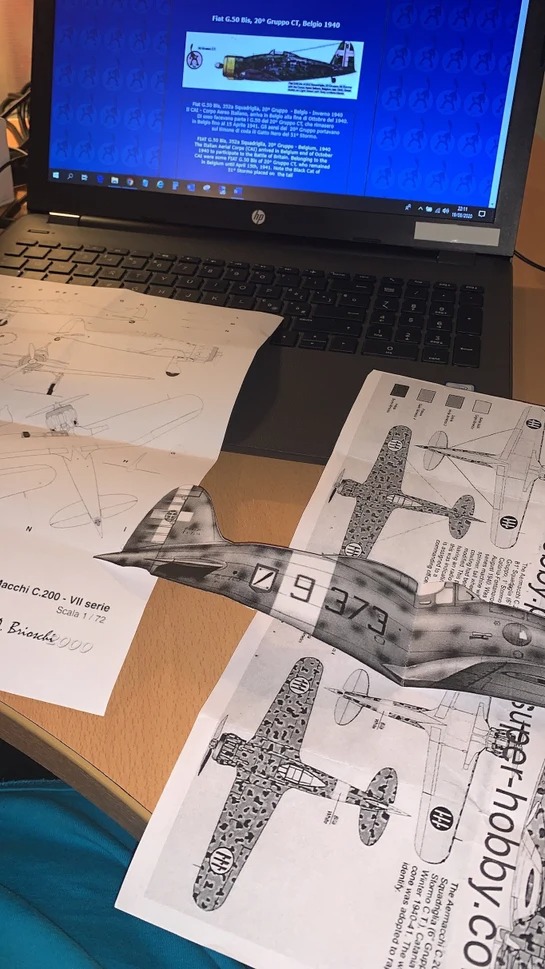
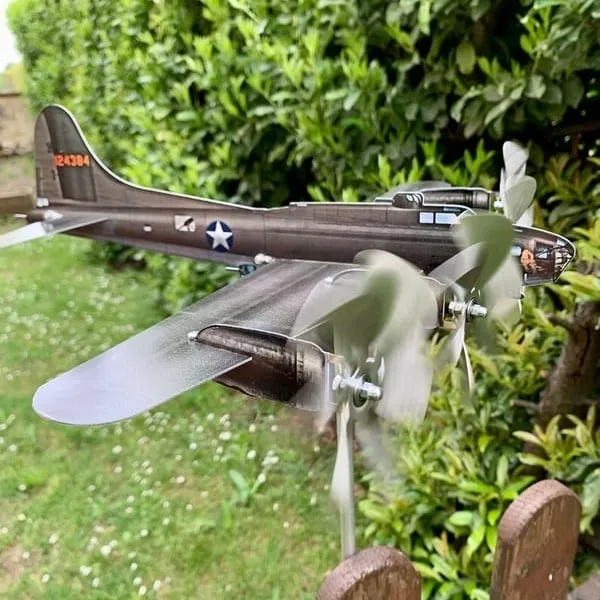
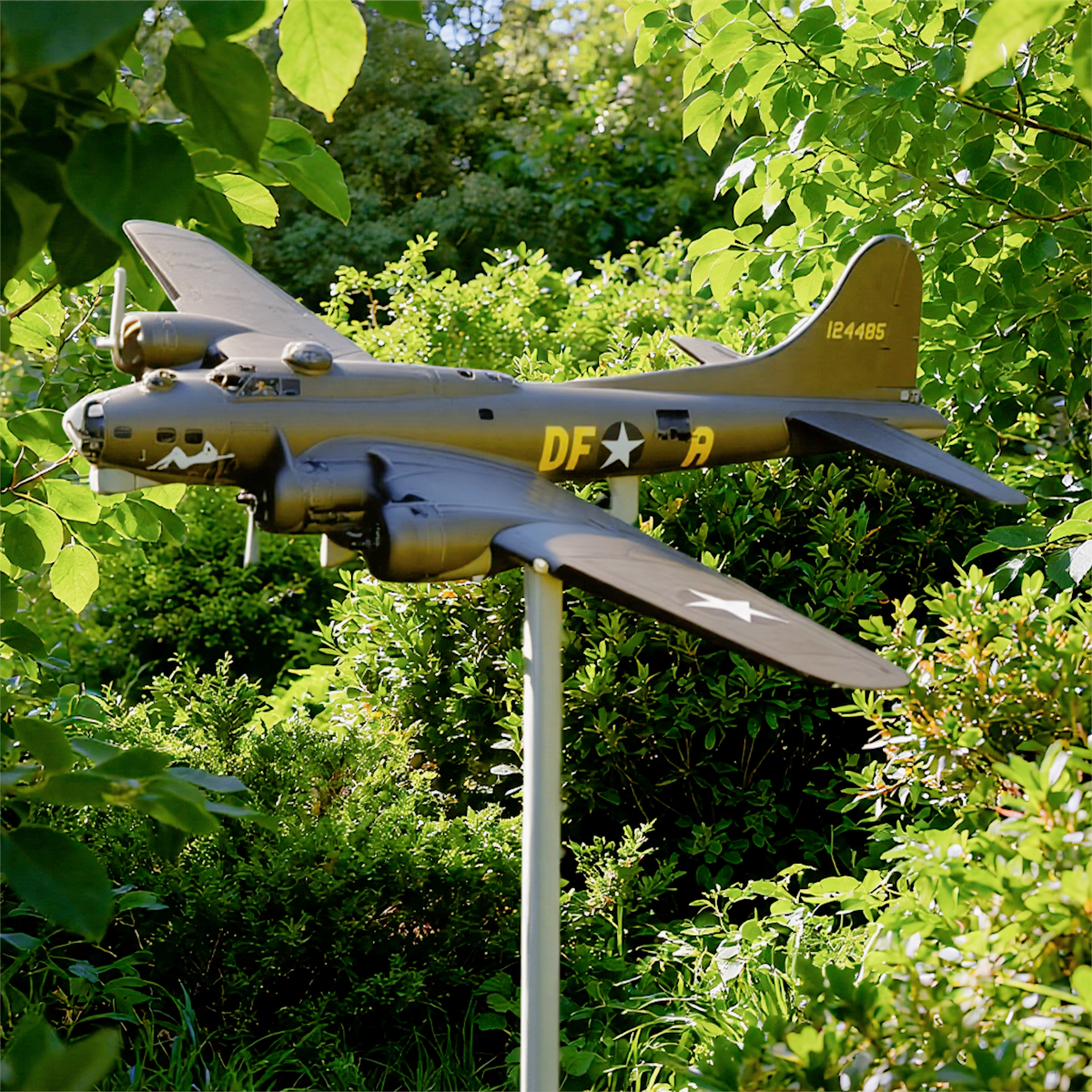
✈️The B-17 Flying Fortress is a four-engine heavy bomber developed in the 1930s, primarily operated by the United States Army Air Forces. It carried out strategic daylight bombing missions across industrial, civilian and military targets throughout World War II.
It quickly became an enduring icon of Allied air power during the war, renowned for its outstanding reliability and formidable self-defense capabilities. Countless damaged airframes sustained heavy anti-aircraft fire yet safely returned their crews home.
“The bomber that turned the tide of WWII. I’ve stood beside its flak-scarred fuselages in museums — now it stands guard over my backyard.”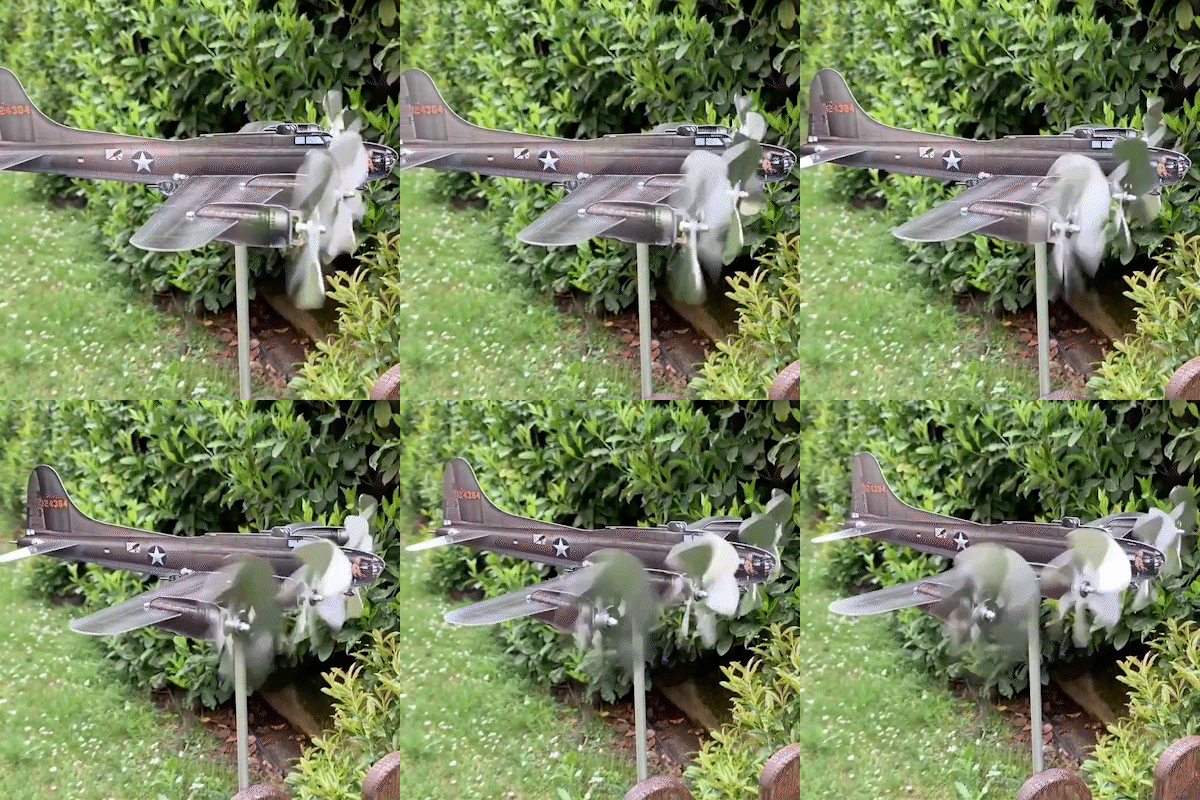
✈️The Lancaster has its origins in the twin-engine Avro Manchester, which had been developed during the late 1930s in response to the Air Ministry Specification P.13/36 for a medium bomber for "world-wide use" to carry a torpedo internally and make shallow dive-bombing attacks. Originally developed as an evolution of the Manchester, which had proved troublesome in service and was retired in 1942, the Lancaster was designed by Roy Chadwick and powered by four Rolls-Royce Merlin engines and in one of the versions, Bristol Hercules engines. It first saw service with RAF Bomber Command in 1942 and as the strategic bombing offensive over Europe gathered momentum, it was the main aircraft for the night-time bombing campaigns that followed. As increasing numbers of the type were produced, it became the principal heavy bomber used by the RAF, the Royal Canadian Air Force (RCAF) and squadrons from other Commonwealth and European countries serving within the RAF, overshadowing the Halifax and Stirling, two other commonly-used bombers.
✈️The C-130 entered service with the U.S. in 1956, followed by Australia and many other nations. During its years of service, the Hercules has participated in numerous military, civilian and humanitarian aid operations. In 2007, the transport became the fifth aircraft to mark 50 years of continuous service with its original primary customer, which for the C-130 is the United States Air Force (USAF). The C-130 is the longest continuously produced military aircraft, having achieved 70 years of production in 2024.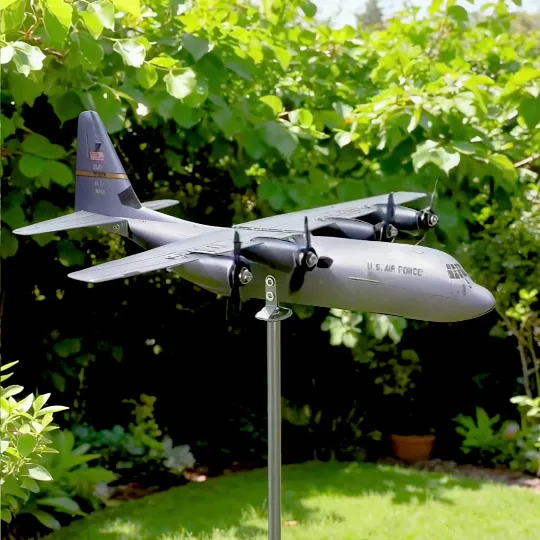
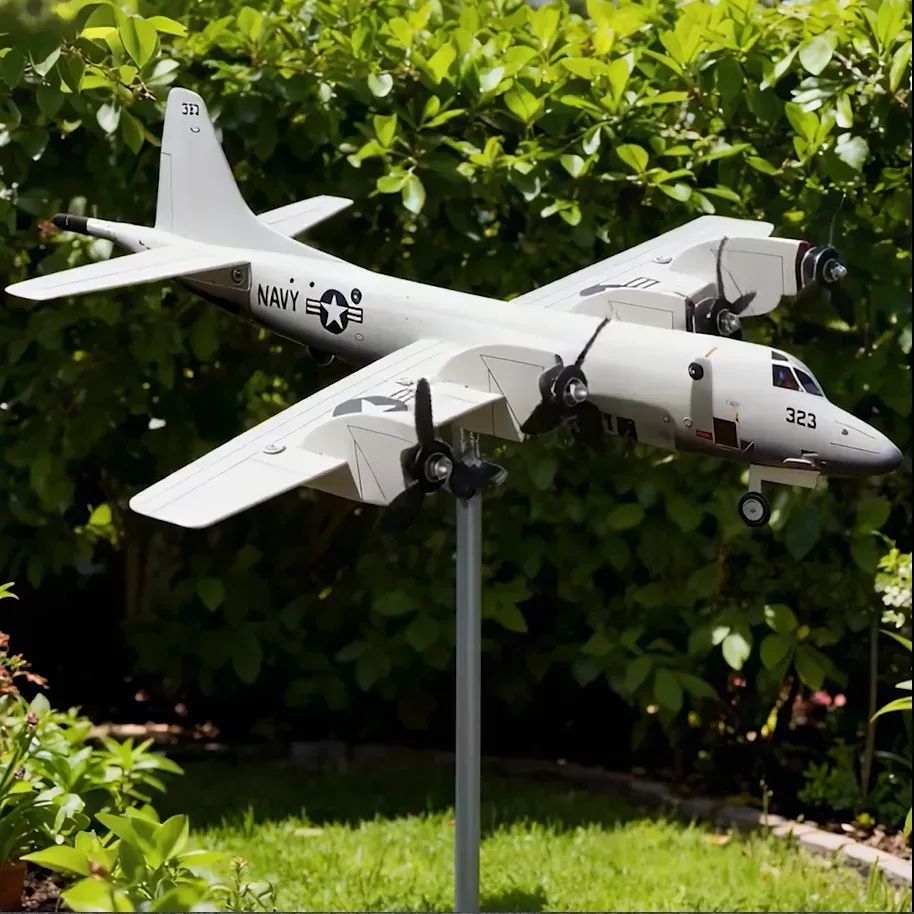
✈️Developed during the Cold War, the P-3's primary mission was to localize Soviet Navy ballistic missile and fast attack submarines detected by undersea surveillance systems and eliminate them in the event of full-scale war.At its height, the U.S. Navy's P-3 community consisted of twenty-four active duty "Fleet" patrol squadrons home based at air stations in the states of Florida and Hawaii as well as bases which formerly had P-3 operations in Maryland, Maine, and California.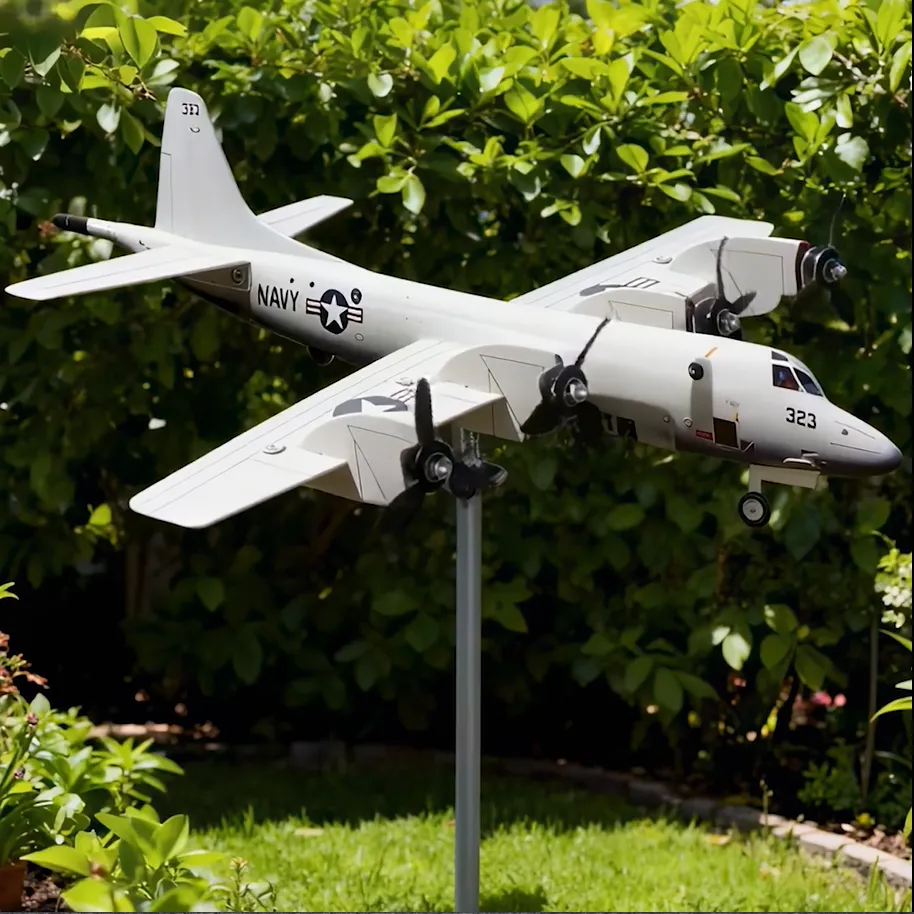
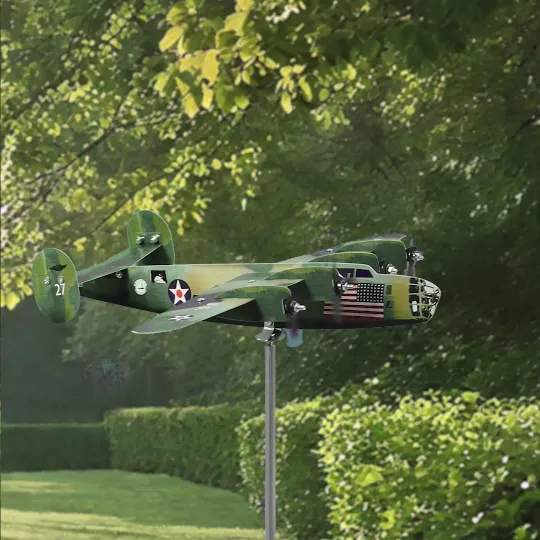
✈️The B-24 was used extensively in World War II where it served in every branch of the American armed forces, as well as several Allied air forces and navies. It saw use in every theater of operations. Along with the B-17, the B-24 was the mainstay of the US strategic bombing campaign in the Western European theater. Due to its range, it proved useful in bombing operations in the Pacific, including the bombing of Japan. Long-range anti-submarine Liberators played an instrumental role in closing the Mid-Atlantic gap in the Battle of the Atlantic. The C-87 transport derivative served as a longer range, higher capacity counterpart to the Douglas C-47 Skytrain.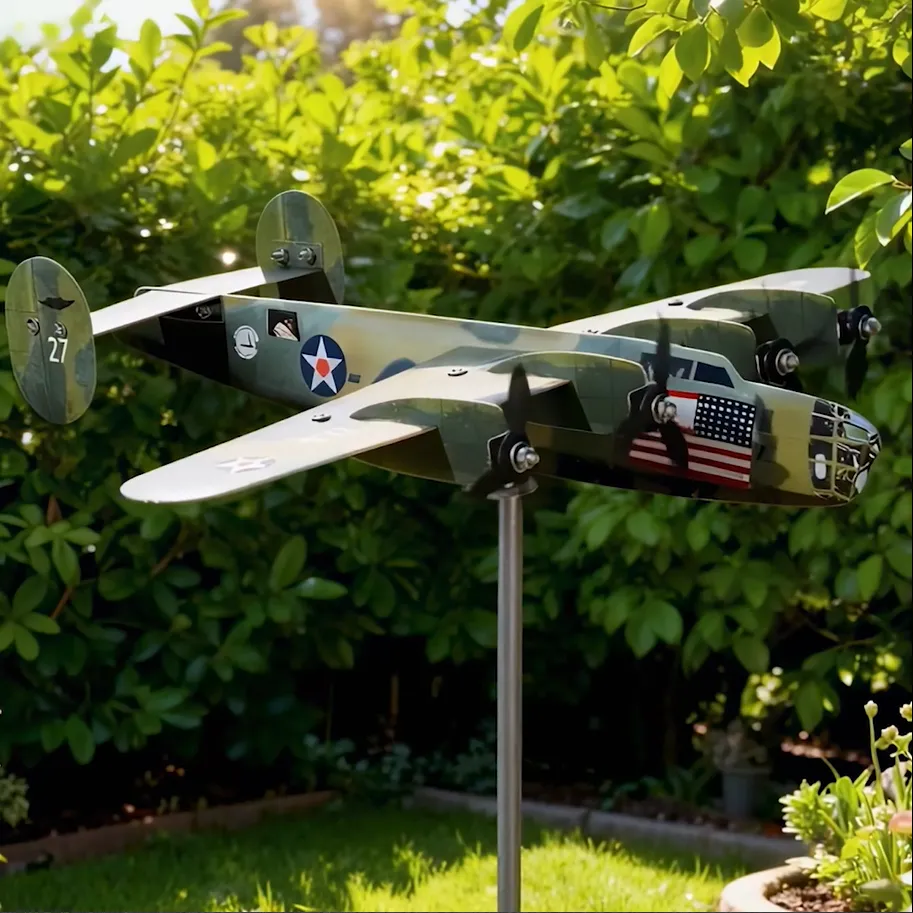
✈️The North American B-25 Mitchell is an American medium bomber that was introduced in 1941 and named in honor of Brigadier General William "Billy" Mitchell, a pioneer of U.S. military aviation.[2] Used by many Allied air forces, the B-25 served in every theater of World War II, and after the war ended, many remained in service, operating across four decades. Produced in numerous variants, nearly 10,000 B-25s were built.[1] It was the most-produced American medium bomber and the third-most-produced American bomber overall. These included several limited models such as the F-10 reconnaissance aircraft, the AT-24 crew trainer, and the United States Marine Corps' PBJ-1 patrol bomber.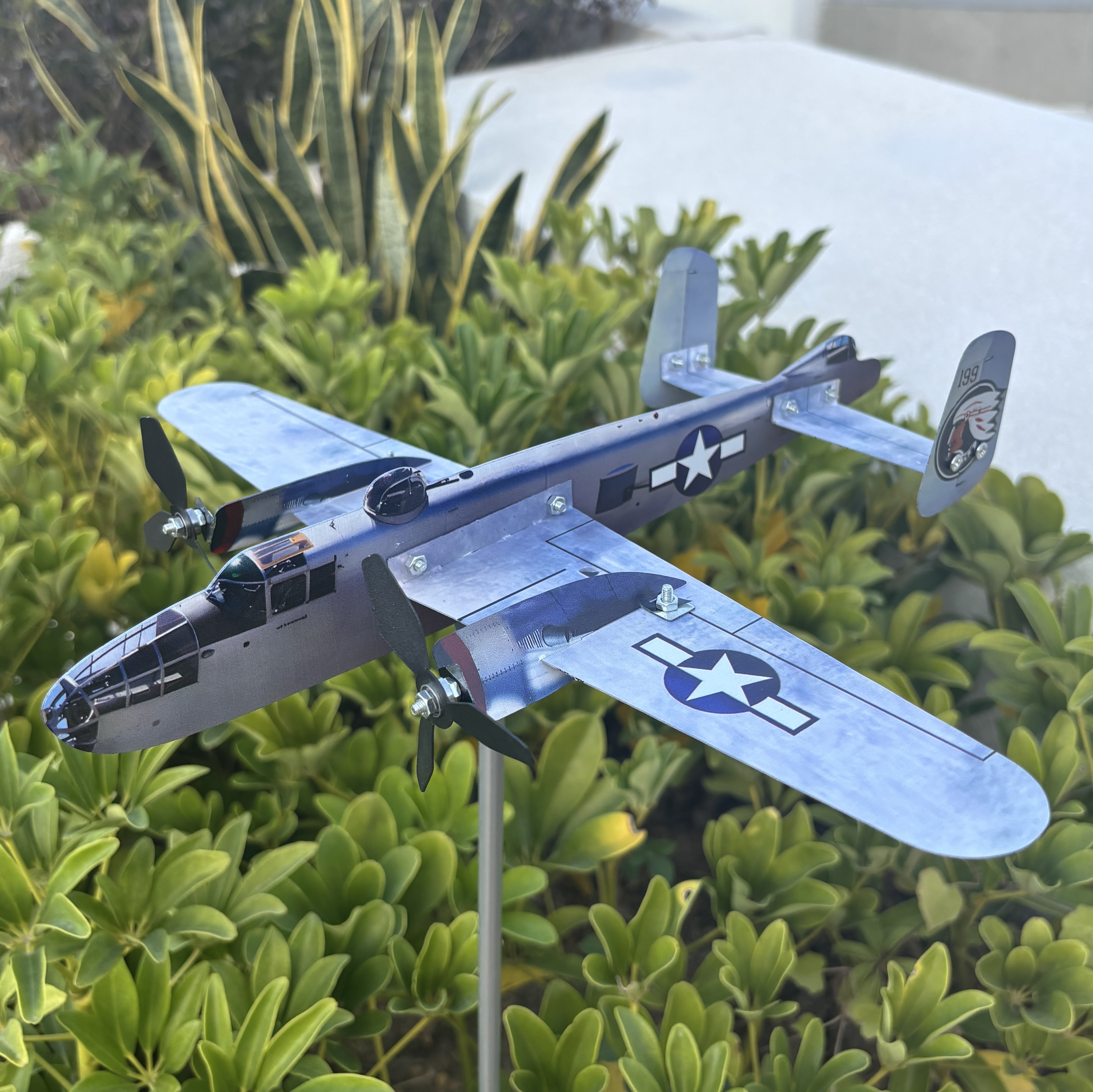
✈️The Martin B-26 Marauder is an American twin-engined medium bomber that saw extensive service during World War II. First used in the Pacific Theater of World War II in early 1942, it also saw service in the Mediterranean Theater and in the European Theater from bases in England and, following D-Day, on the European continent providing tactical support to advancing Allied troops.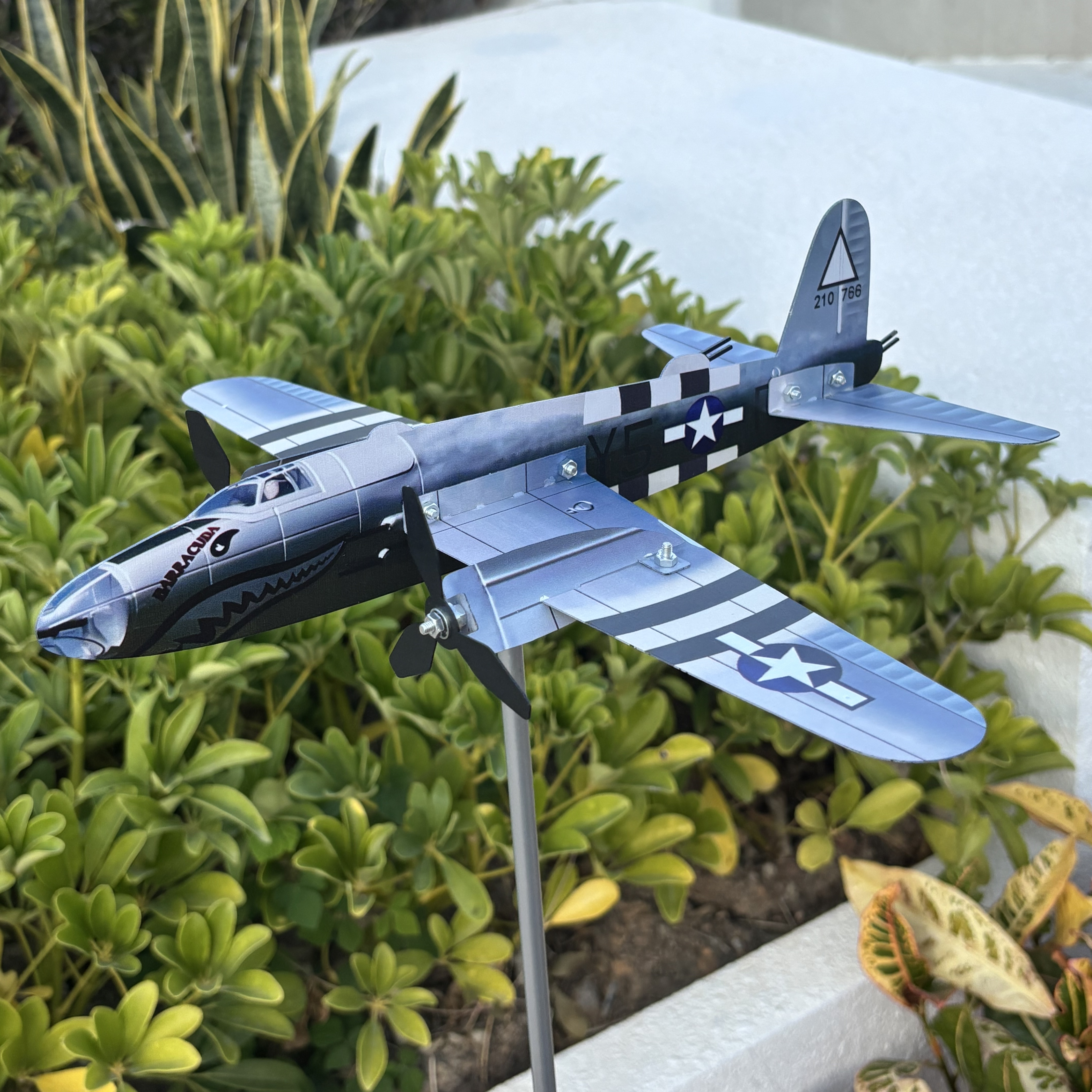
✈️The Boeing B-29 Superfortress is a retired American four-engined propeller-driven heavy bomber, designed by Boeing and flown primarily by the United States during World War II and the Korean War. Named in allusion to its predecessor, the Boeing B-17 Flying Fortress, the Superfortress was designed for high-altitude strategic bombing, but also excelled in low-altitude night incendiary bombing, and in dropping naval mines to blockade Japan. Silverplate B-29s dropped the atomic bombs on Hiroshima and Nagasaki, the only aircraft ever to drop nuclear weapons in combat.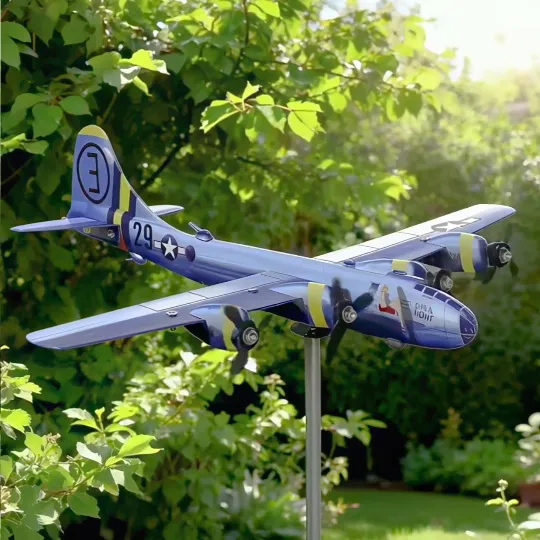
✈️The Lockheed P-38 Lightning is an American single-seat, twin-engined fighter aircraft that was used during World War II. Developed for the United States Army Air Corps (USAAC) by the Lockheed Corporation, the P-38 incorporated a distinctive twin-boom design with a central nacelle containing the cockpit and armament. Along with its use as a general fighter, the P-38 was used in various aerial combat roles, including as a highly effective fighter-bomber, a night fighter, and a long-range escort fighter when equipped with drop tanks.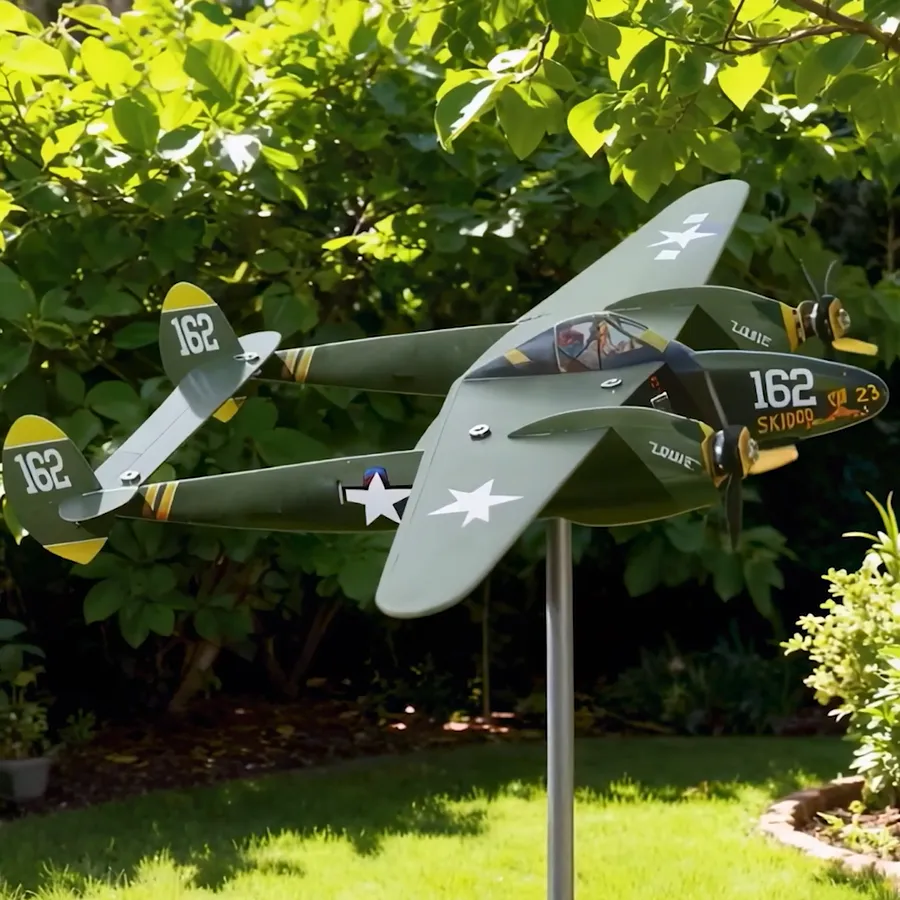
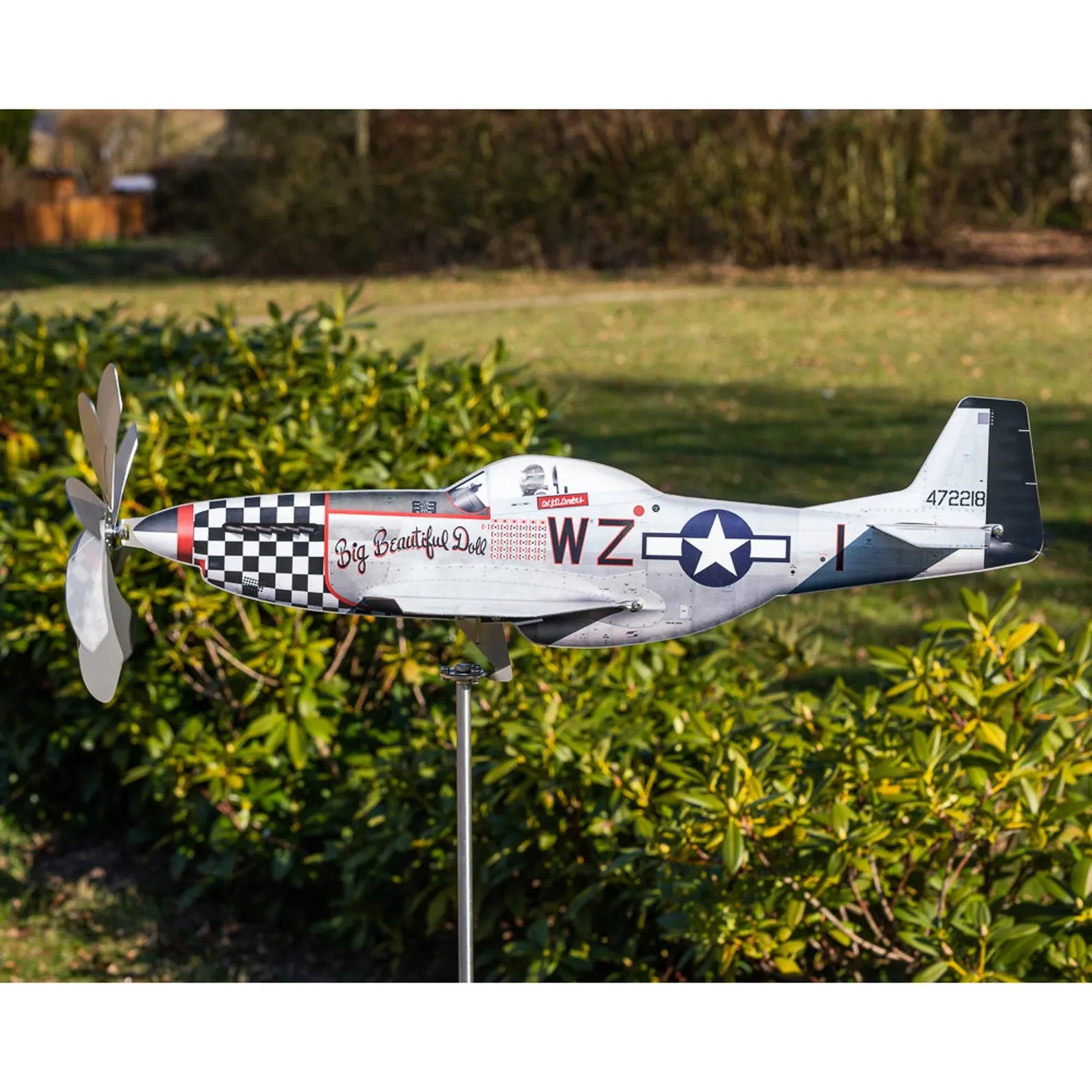
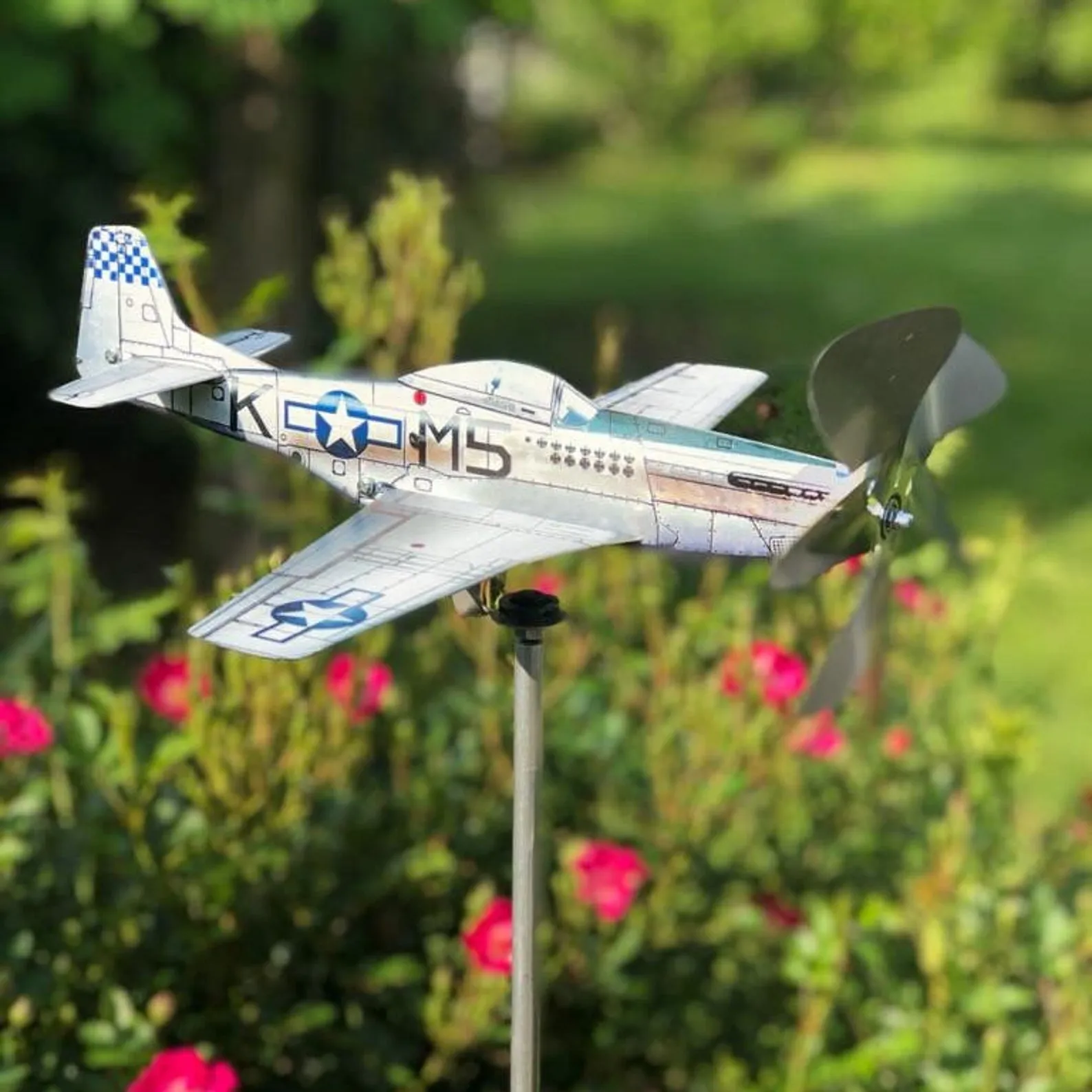
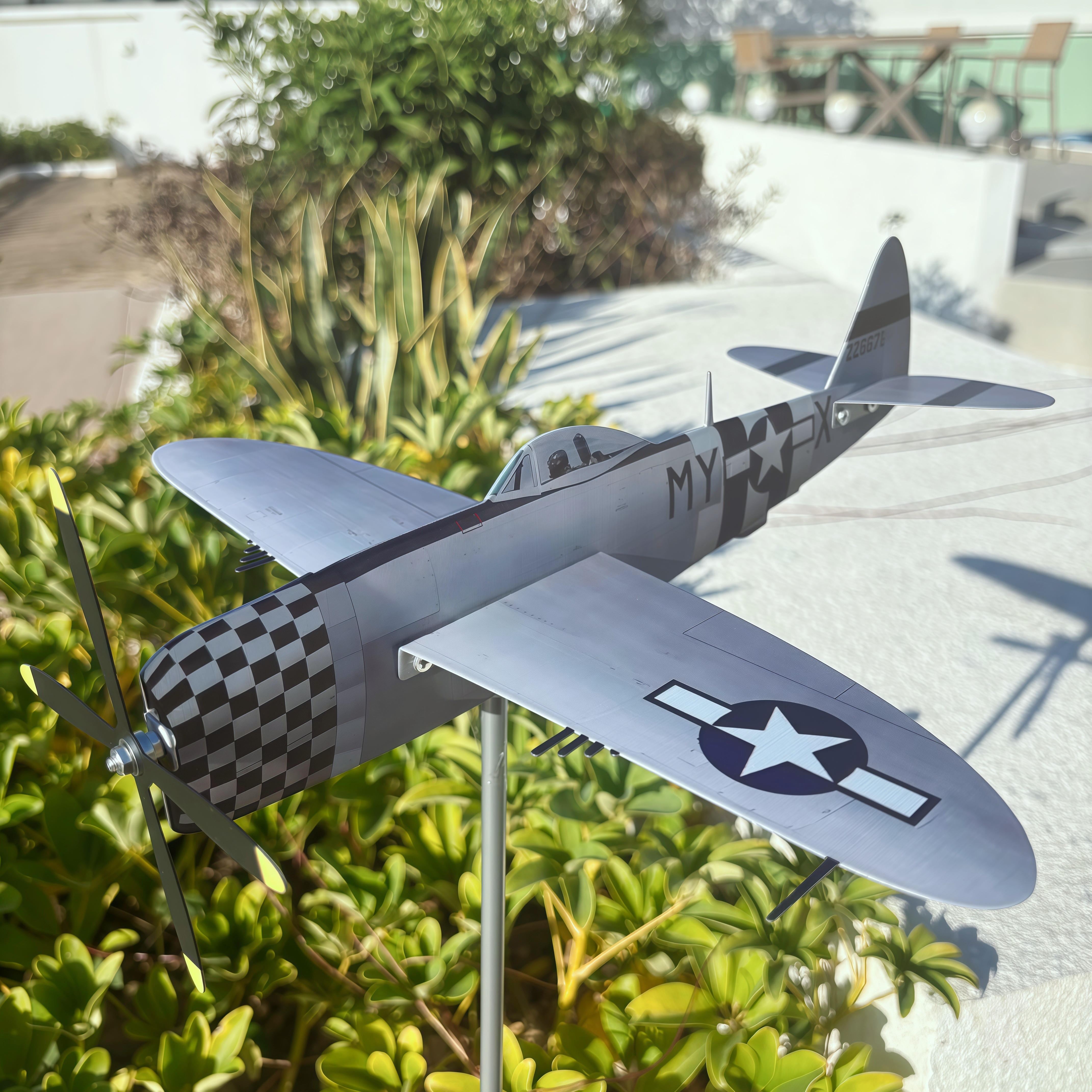
✈️The P-51D Mustang stands among the most iconic American fighter aircraft of World War II, designed and manufactured by North American Aviation.
As an upgraded variant within the P-51 family, its outstanding performance made it an indispensable asset for Allied forces fighting to secure air superiority. It earned widespread renown as the ultimate fighter-bomber escort and the savior of Europe’s skies.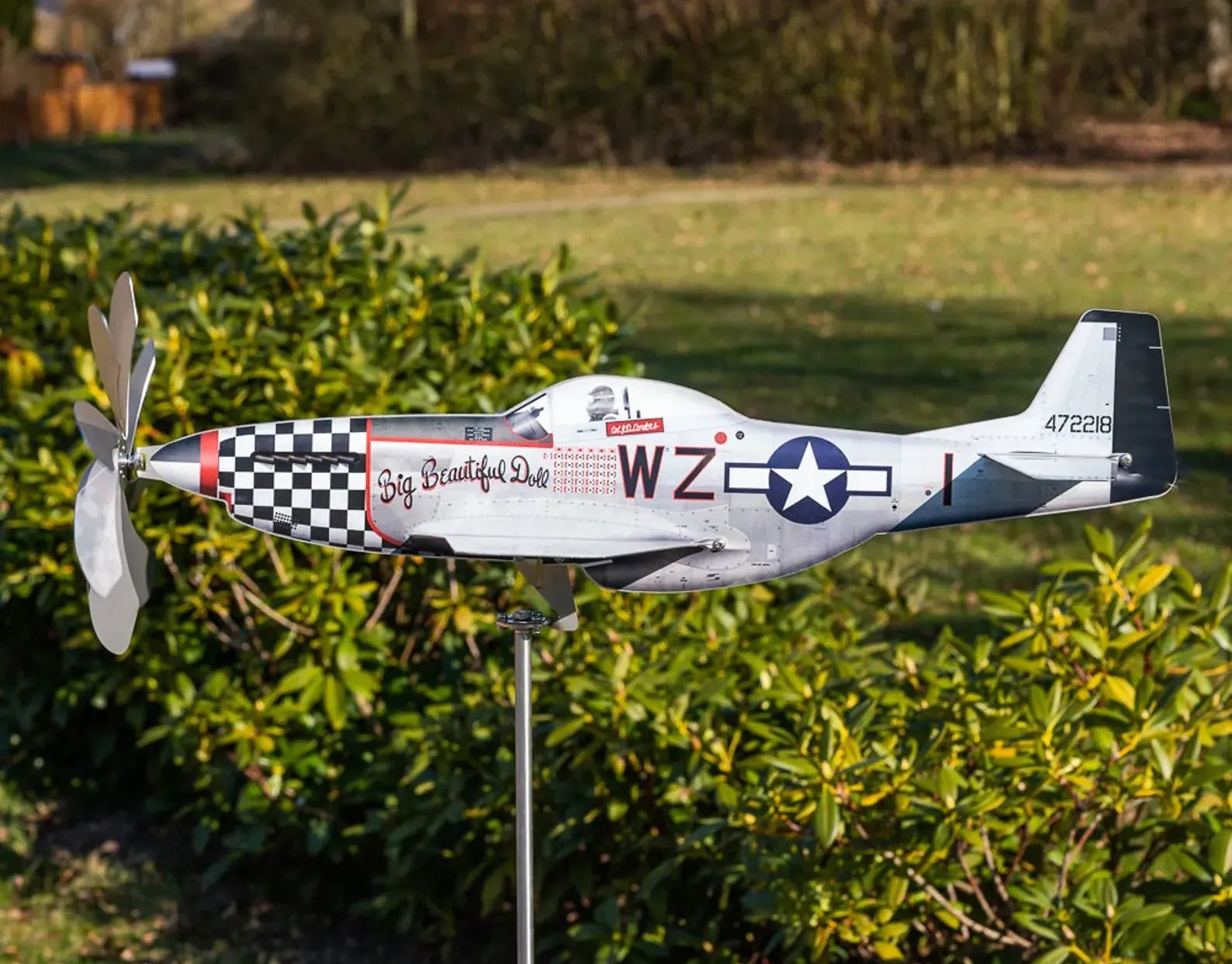
✈️F4U CorsairIn
1940, Vought of the United States developed what was hailed as the fastest carrier-based aircraft ever built for the U.S. Navy. Lead designer Rex Beisel pioneered its revolutionary inverted gull folding wing layout.
On its maiden flight, the aircraft hit a top speed of 652 km/h, outperforming every contemporary aircraft of its era. It reigned as the dominant carrier fighter across the Pacific theater throughout World War II.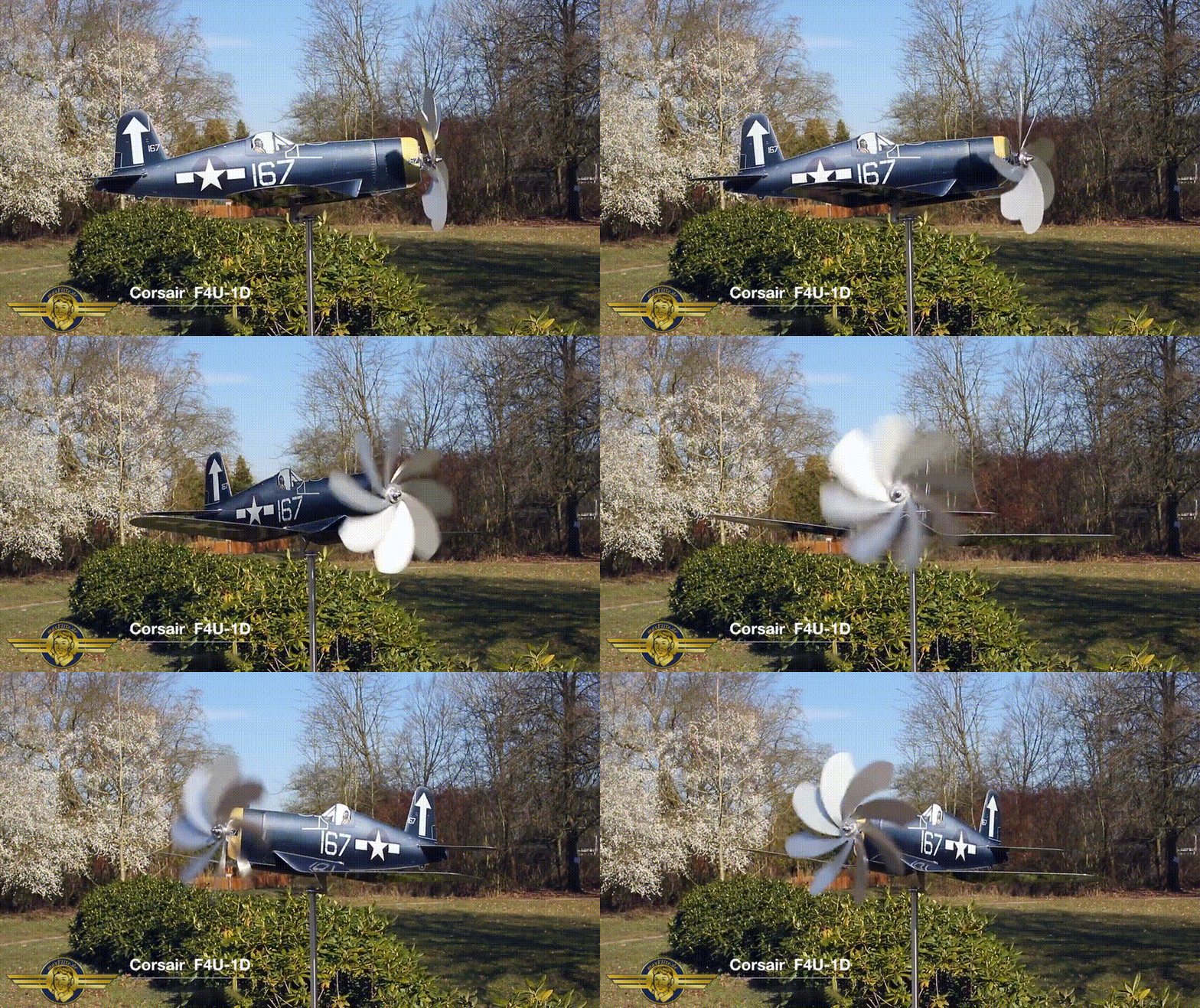
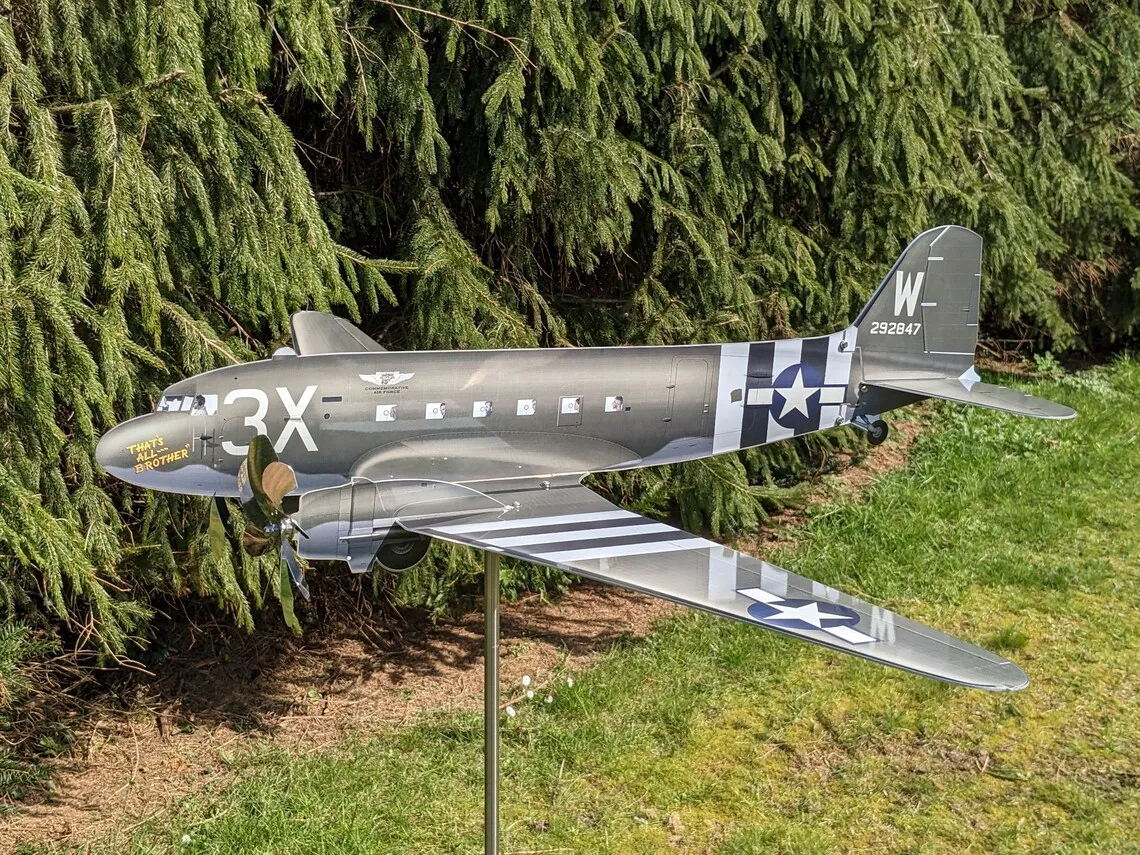
✈️C-47 Skytrain
The legendary C-47 Skytrain served as the backbone of Allied airborne operations throughout WWII, most famously playing a critical role in the D-Day Normandy landings. Countless paratroopers relied on this rugged transport aircraft to carry them into combat across Europe.
“D-Day’s unsung hero. I’ve added delicate paratrooper silhouettes beneath the wings — subtle detailing that veterans always spot and instantly recognize.”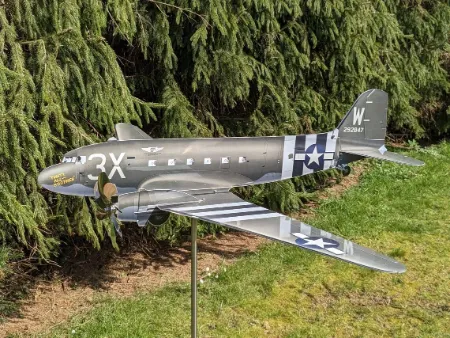
💥 Passersby will definitely stop to admire this aircraft weathervane — it’s an incredible conversation piece!
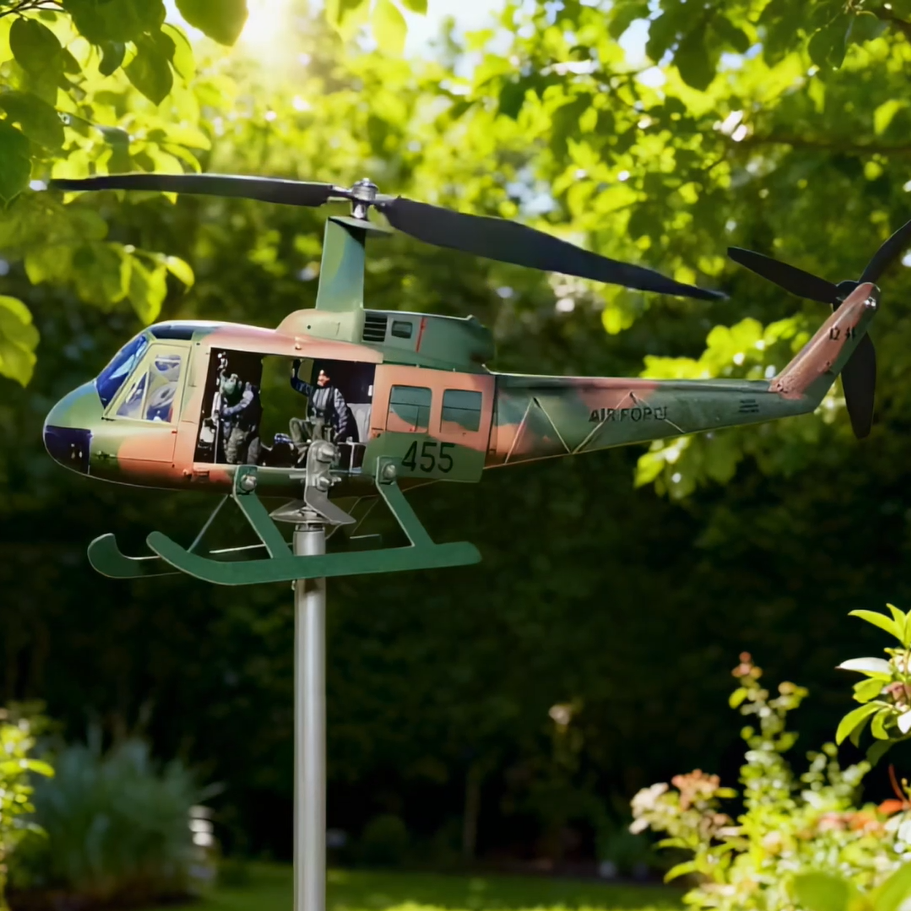
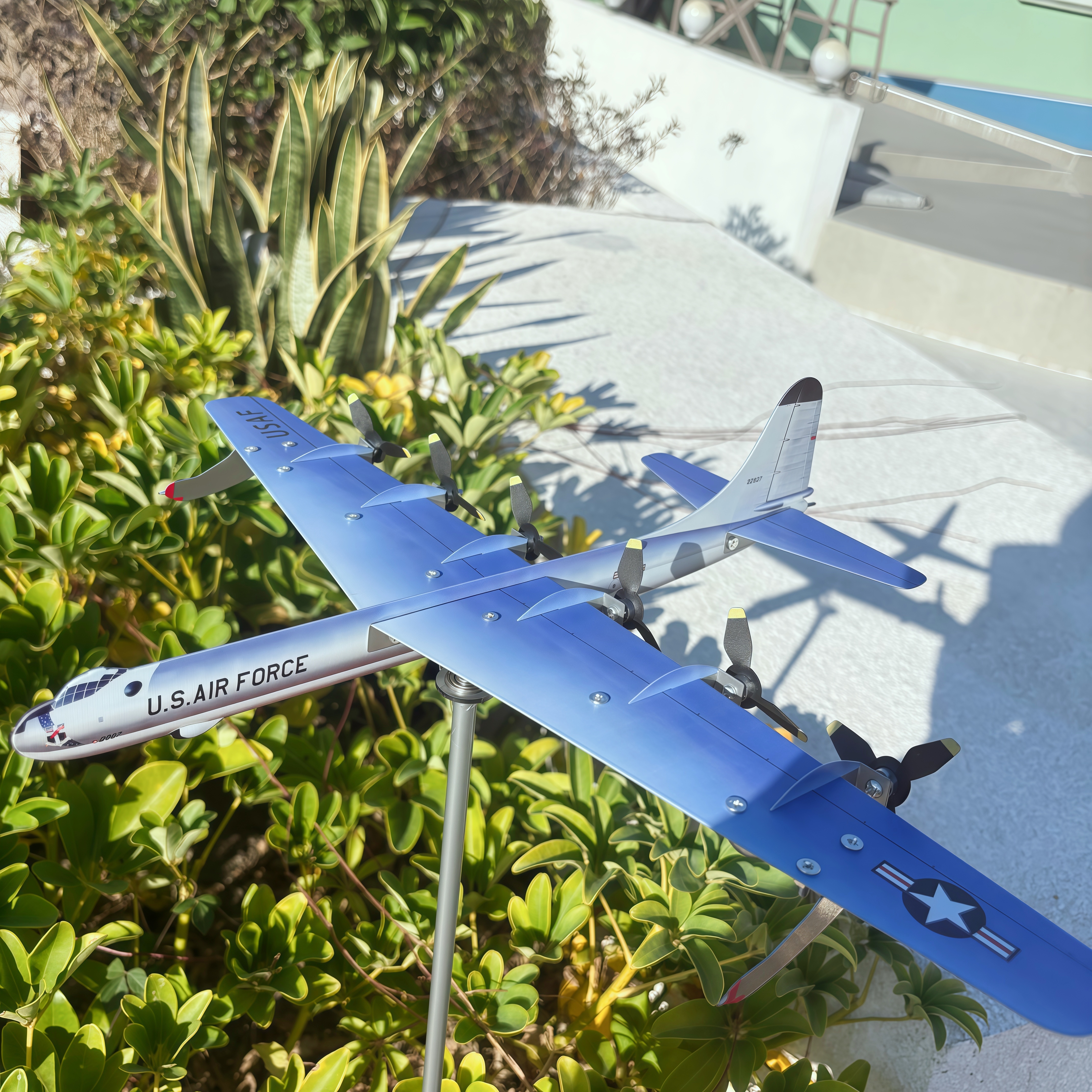
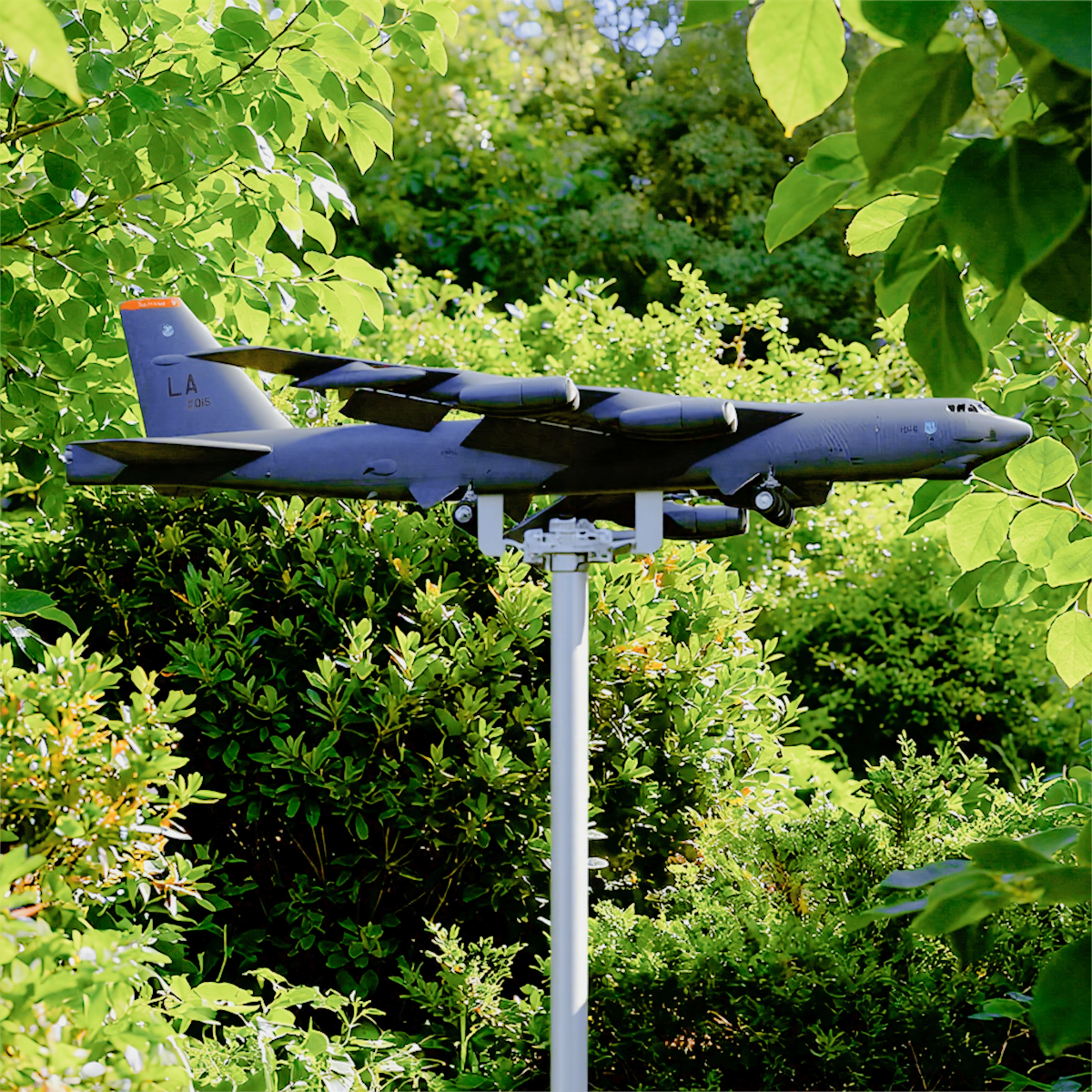
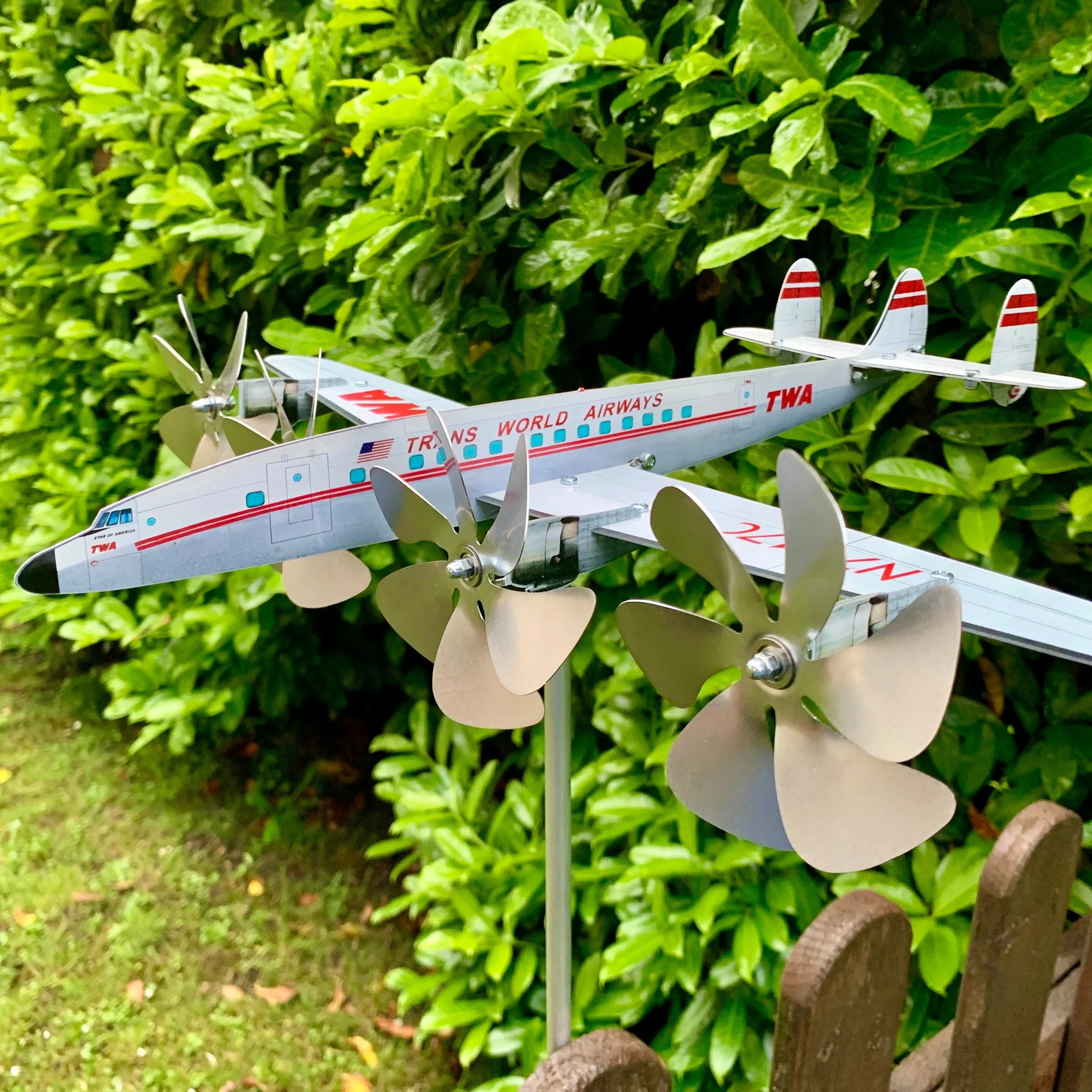
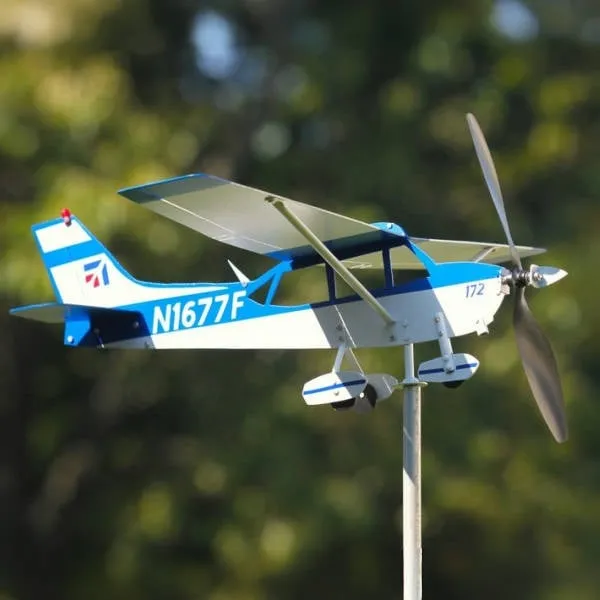
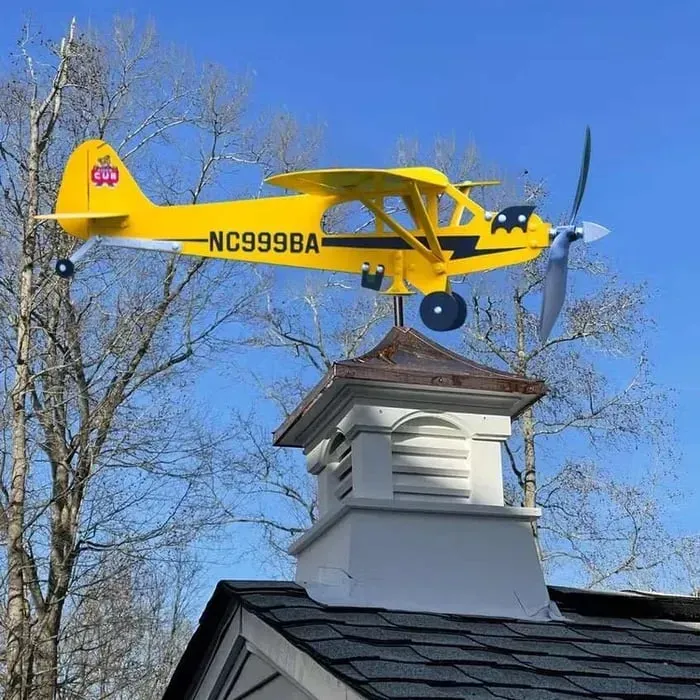
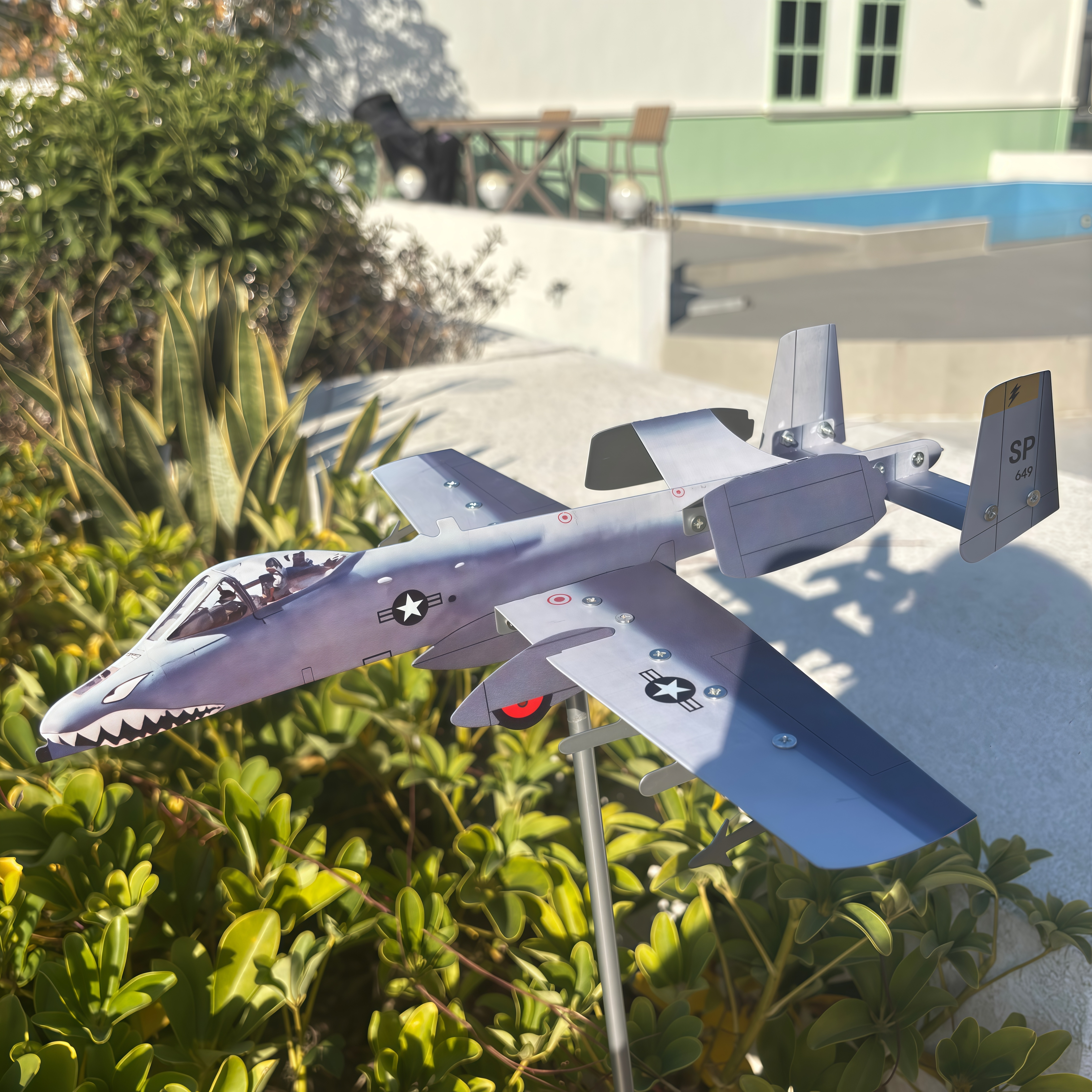
Each aircraft sits neatly on its slim mounting stand, perfect as a standout garden centerpiece. Set against soft green foliage, it brings the calm atmosphere of a quiet countryside meadow to your outdoor space.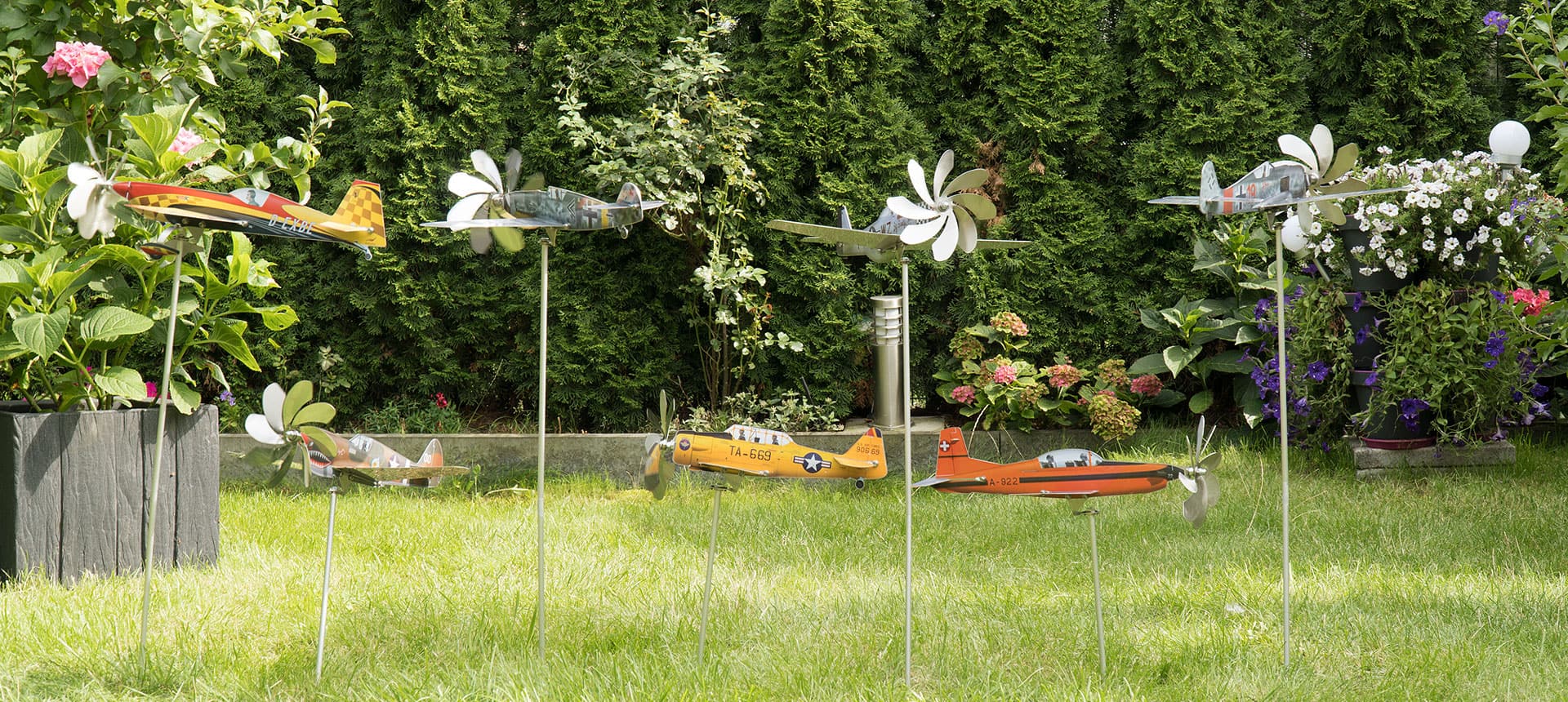
✈️ I truly appreciate you taking the time to look at my work. I hope this handcrafted aircraft weathervane resonates with you — I simply want to share the timeless power of aviation history with more enthusiasts.
🛬Droduct:
- Installation: Simple setup in under 1 minute
- Material: Metal
- Overall Dimensions: 40 × 40 × 10 cm (16 × 16 × 4 in)
- Mounting Pole Height: 100 cm (40 in)
- Design Style: Flat 2D silhouette

OUR GUARANTEE